



Note: Please check your Spam or Junk folder, in case you didn't receive the email with verification code.

 English
Non-Linear: Random Order
This course provides students with concepts of Uniqueness of mobile radio environment, Concept of frequency channels, Cell splitting, Design of Antenna system, Signal reflections in flat and hilly terrain and Constant standard deviation, straight line path loss slope
1.Will familiarize about Sum and difference patterns and their synthesis
2.Will demonstrate Umbrella-Pattern Antennas
3.Will develop knowledge in Small Cells or Micro Cells
There is no particular prerequisite to learn Cellular and Mobile Communications, you will be able to do very well, if you have these basic skills:
1. Basic Analytics Skills
2. Good Understanding Skills
3. Good Communication Skills
. 1.1 CELLULAR MOBILE RADIO SYSTEMS : Introduction to Cellular Mobile System
1.2 Uniqueness of mobile radio environment
1.1 CELLULAR MOBILE RADIO SYSTEMS : Introduction to Cellular Mobile System
1.2 Uniqueness of mobile radio environment
 CELLULAR MOBILE RADIO SYSTEMS - ASSESSMENT
10 Questions
2.1 ELEMENTS OF CELLULAR RADIO SYSTEM DESIGN : General description of the problem
2.2 Concept of frequency channels
2.3 Cell splitting
ELEMENTS OF CELLULAR RADIO SYSTEM DESIGN - ASSESSMENT
10 Questions
3.1 INTERFERENCE : Introduction to Co-Channel Interference
3.2 Design of Antenna system
INTERFERENCE - ASSESSMENT
5 Questions
4.1 CELL COVERAGE FOR SIGNAL AND TRAFFIC : Signal reflections in flat and hilly terrain
4.2 Constant standard deviation, straight line path loss slope
CELL COVERAGE FOR SIGNAL AND TRAFFIC - ASSESSMENT
5 Questions
5.1 Sum and difference patterns and their synthesis
5.2 Omni directional antennas, directional antennas for interference reduction, space diversity antennas, umbrella pattern antennas, minimum separation of cell site antennas, high gain antennas.
5.3 Umbrella-Pattern Antennas
CELL SITE AND MOBILE ANTENNAS - ASSESSMENT
5 Questions
6.1 Numbering and grouping, setup access and paging channels channel assignments to cell sites and mobile units
FREQUENCY MANAGEMENT AND CHANNEL ASSIGNMENT - ASSESSMENT
5 Questions
7.1 Handoff, dropped calls and cell splitting
7.2 Delaying handoff
7.3 Small Cells or Micro Cells
HANDOFFS AND DROPPED CALLS - ASSESSMENT
5 Questions
8.1 GSM architecture, GSM channels
8.2 Multiplex access scheme , TDMA, CDMA
DIGITAL CELLULAR NETWORKS - ASSESSMENT
5 Questions
FINAL ASSESSMENT
20 Questions
CELLULAR MOBILE RADIO SYSTEMS - ASSESSMENT
10 Questions
2.1 ELEMENTS OF CELLULAR RADIO SYSTEM DESIGN : General description of the problem
2.2 Concept of frequency channels
2.3 Cell splitting
ELEMENTS OF CELLULAR RADIO SYSTEM DESIGN - ASSESSMENT
10 Questions
3.1 INTERFERENCE : Introduction to Co-Channel Interference
3.2 Design of Antenna system
INTERFERENCE - ASSESSMENT
5 Questions
4.1 CELL COVERAGE FOR SIGNAL AND TRAFFIC : Signal reflections in flat and hilly terrain
4.2 Constant standard deviation, straight line path loss slope
CELL COVERAGE FOR SIGNAL AND TRAFFIC - ASSESSMENT
5 Questions
5.1 Sum and difference patterns and their synthesis
5.2 Omni directional antennas, directional antennas for interference reduction, space diversity antennas, umbrella pattern antennas, minimum separation of cell site antennas, high gain antennas.
5.3 Umbrella-Pattern Antennas
CELL SITE AND MOBILE ANTENNAS - ASSESSMENT
5 Questions
6.1 Numbering and grouping, setup access and paging channels channel assignments to cell sites and mobile units
FREQUENCY MANAGEMENT AND CHANNEL ASSIGNMENT - ASSESSMENT
5 Questions
7.1 Handoff, dropped calls and cell splitting
7.2 Delaying handoff
7.3 Small Cells or Micro Cells
HANDOFFS AND DROPPED CALLS - ASSESSMENT
5 Questions
8.1 GSM architecture, GSM channels
8.2 Multiplex access scheme , TDMA, CDMA
DIGITAL CELLULAR NETWORKS - ASSESSMENT
5 Questions
FINAL ASSESSMENT
20 Questions
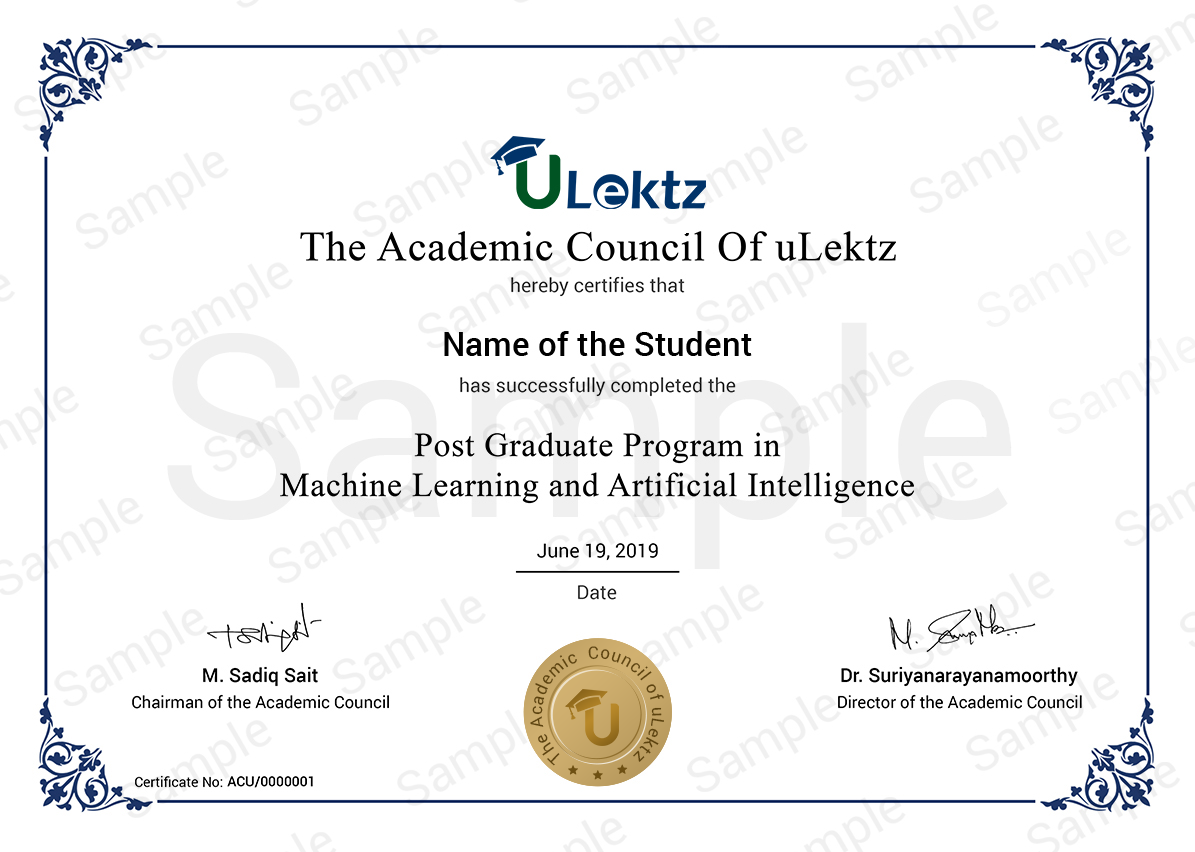
The certificate issued for the Course will have
Only the e-certificate will be made available. No Hard copies. The certificates issued by The Academic Council of uLektz. can be e-verifiable at www.ulektzskills.com/verify.


 60 hours Learning Content
 100% online Courses
 English Language
 Certifications
Recommended Courses
See more
 90 hours of Learning Content


90 hours of Learning Content

180 hours of Learning Content

90 hours of Learning Content
90 hours of Learning Content

90 hours of Learning Content


 0
0


 Course Enrollment